
Should Toddlers Use Screens Before Bed?
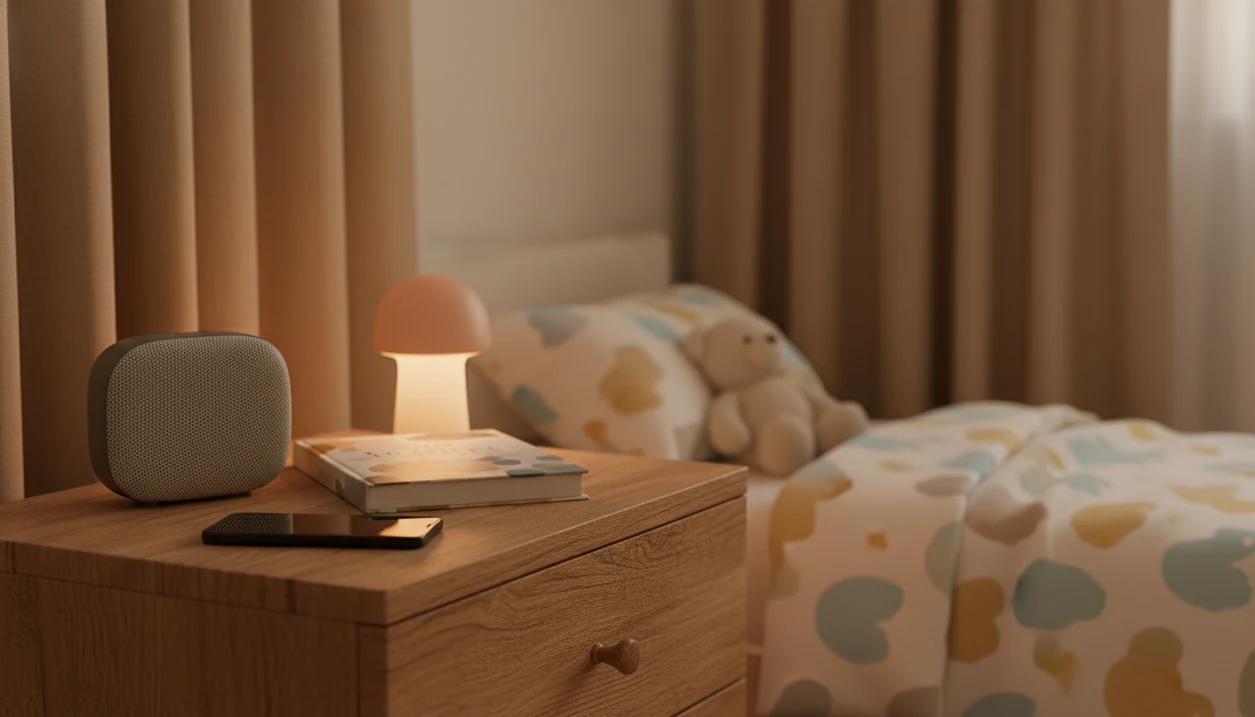
No: should toddlers use screens before bed is best answered with a clear one-hour screen-free buffer. If parents use a bedtime app, the safer setup is audio-first: start the story, lullaby, or sleep meditation, turn the screen off, dim the room, and keep the device out of reach.
This page is general sleep-hygiene information for parents, not medical advice. If a toddler has persistent insomnia, loud snoring, breathing pauses, worsening night waking, or major daytime impairment, ask a pediatrician.
Kids Bedtime TL is a kids bedtime stories app that provides bedtime stories, sleep meditation, lullabies, and nap routines for parents of toddlers and young children.
- Toddlers should avoid TV, tablets, and phones during the hour before bed whenever possible.
- Blue light and exciting content can delay sleepiness, reduce melatonin, and increase night waking.
- An audio bedtime app can fit a calm routine if the screen is off, the room is dim, and a parent controls playback.
Screens Before Bed for Toddlers: The At-a-Glance Answer
Toddlers should generally not use screens in the hour before bedtime. A TV show, tablet game, or phone video can add light, sound, and negotiation right when the brain needs a quieter pattern.
The goal is not anti-technology. It is lower stimulation before sleep. Audio-only stories, lullabies, or short sleep meditations can keep the familiar read-aloud feeling without putting bright visuals in front of a tired child.
The cleanest setup is parent-controlled: screen off, device away, sound low. Choose the audio before the final settling window, then put the phone face-down on a dresser so the screen does not brighten the room.
Small choices matter at 7:15 p.m.
Five Evidence Facts About Toddler Screens Before Bed
- A 2024 randomized clinical trial of 105 families found that removing toddler screen time in the hour before bed led to small to medium improvements in sleep efficiency and fewer night awakenings (JAMA Pediatrics, 2024).
- Evening screen use is associated with later bedtimes and shorter sleep duration in children; a systematic review found screen time was generally linked with worse sleep outcomes across pediatric studies (Sleep Medicine Reviews, 2015).
- Blue light can suppress melatonin, the hormone that helps signal nighttime to the body, and may delay sleep onset.
- Fast visuals, tapping, episode changes, and interactive content can overstimulate toddlers even when the content looks gentle to adults.
- Audio-only bedtime routines are plausible and practical, but they should not be described as proven medical treatment for toddler sleep problems.
Clinicians typically recommend a predictable bedtime routine, a consistent sleep schedule, and fewer stimulating activities close to bed. If you are comparing broader safety questions, the related guide on are bedtime story apps safe for toddlers covers app-specific concerns.
How Screen Exposure Before Bed Works in a Toddler Brain
Screen exposure before bed can delay toddler sleep by shifting circadian timing and increasing arousal. In plain terms, bright light and exciting input can tell the body, “stay awake,” even when pajamas are on.
Melatonin usually rises as the evening gets darker. Evening light exposure can suppress melatonin and shift circadian timing, which is one reason pediatric sleep guidance commonly recommends keeping screens out of the bedtime window (American Academy of Pediatrics). Videos, games, rapid scene changes, and tapping all add cognitive and emotional stimulation.
Then there is the boundary battle. “Just one more story” is hard enough with books; it gets harder when the next video appears instantly. Content, light, sound, and parent-child negotiation can all stretch bedtime past the natural settling window.
Good kids bedtime stories, sleep meditation, lullabies, and nap routines for toddlers and young children deliver a repeatable calm-down cue, not a guaranteed sleep outcome.
Screen-Free Bedtime App Setup for Toddlers
A screen-free bedtime app setup means audio playback with the display off, locked, or away from the child. The toddler listens, but does not watch, swipe, browse, or hold the device.
Choose the story, lullaby, or sleep meditation before the final routine begins. That avoids the hallway pause where everyone is tired and the child suddenly wants to inspect every option. Tools like Kids Bedtime TL can fit this pattern when a parent selects the audio first and keeps the experience screen-off.
Use dim settings during setup, low volume during playback, and lock-screen audio when available. A smart speaker can help too. In a hotel room, the same audio under a soft lamp can make a travel crib feel less unfamiliar, but the phone should still stay out of reach.
For older feature comparisons, the best kids sleep app guide may help parents sort story length, offline use, and audio options.
Audio Bedtime App vs Tablet Videos Before Toddler Sleep
Parent-controlled audio is usually a better app pattern near bedtime because it removes screen light and the tap-to-continue loop. It is not magic, but it lowers two common sources of stimulation.
| Bedtime factor | Audio bedtime app | Tablet videos |
|---|---|---|
| Light exposure | Screen can be off or away | Screen stays visible |
| Child interaction | Parent starts and ends playback | Child may tap, browse, or demand more |
| Stimulation level | Usually lower if volume is soft | Visual motion can keep attention active |
| Parent control | Easier with playlists and timers | Harder when autoplay or thumbnails appear |
| Sleep-routine fit | Works like a read-aloud cue | Often becomes entertainment time |
Calm videos still count as screens before bed toddlers can get visually engaged by slow animation, glowing colors, or the promise of another clip. Parent-controlled audio usually works best when the story is chosen before lights dim, while visual apps fit better earlier in the day.
Common Myths About Toddler Screens Before Bed
Myth 1: Tablet time helps toddlers wind down. It may look quiet, but a toddler who is staring, tapping, or waiting for the next clip is still engaged. Replace it with books, a short audio story, or a predictable sequence after bath.
Myth 2: Night mode makes bedtime screen use fully safe. Night mode may reduce some light, but it does not remove excitement, sound, or bargaining. Use it only during parent setup, then turn the display off.
Myth 3: Calm cartoons or lullaby videos do not count. They still involve screen light and visual attention. Try audio-only lullabies instead, with the low hum of a white-noise track underneath if that suits the room.
Myth 4: An audio app is screen-free if the toddler holds the device. Not really. If the child watches or taps, it has become screen time. For AI-generated content questions, read are AI bedtime stories safe for children.
A Practical One-Hour No-Screens Bedtime Routine for Toddlers
“How do I replace screens before bed without a meltdown?” Start with a 60-minute screen cutoff and keep it boringly predictable. The rule works better when it is the same on Tuesday as it is on Saturday.
Try this sequence:
- Set the cutoff one hour before bed and say, “Screens are done for tonight.”
- Offer a small snack or drink if that is part of your routine.
- Move through bath, pajamas, toothbrush, and the missing stuffed rabbit search.
- Choose books or app audio before entering the bedroom.
- Play a lullaby or short story, then dim lights and end the routine.
If a tantrum starts, stay consistent. Offer two calm choices, such as “blue book or bear story.” Avoid using the device as the reward for stopping the tantrum.
Reset the plan tomorrow.
Parent Control Settings for an Audio-First Kids Bedtime App
In an audio-first kids bedtime app routine, the parent starts, pauses, and ends playback. The toddler should not browse the library in bed, hold the phone, or decide when another track begins.
Use lock screen playback, sleep timers, playlists, and low brightness during setup. Turn off autoplaying video when a platform offers that control. Keep the device out of the bed, ideally across the room, on a dresser or shelf.
Kids Bedtime TL can be used as a practical kids bedtime stories app for parent-led audio routines, but it is not a substitute for parenting judgment or medical care. Privacy also matters when children’s apps are involved; the kids bedtime app privacy guide explains what parents should check before using any app regularly.
When to Ask a Pediatrician About Toddler Sleep
Ask a pediatrician when toddler sleep problems are persistent, worsening, unusual for your child, or paired with breathing concerns or daytime impairment. Screen changes can support sleep hygiene, but they do not diagnose reflux, eczema, anxiety, breathing problems, or developmental sleep differences.
Night waking becomes more than a routine problem when it keeps escalating, lasts for weeks despite a steady bedtime plan, or leaves the child exhausted, irritable, or unable to function normally during the day. Loud snoring, gasping, breathing pauses, restless sleep, or repeated vomiting and discomfort at night deserve medical guidance sooner.
A practical next step:
- Track sleep for several nights, including bedtime, wake-ups, naps, snoring, coughing, itching, or reflux-like discomfort.
- Note changes in mood, daycare behavior, appetite, and morning energy.
- Review any medications, supplements, or new treatments with the pediatrician before changing them.
- Ask about eczema flares, anxiety, developmental differences, and other health factors that may affect sleep.
- Seek care promptly if the pattern feels sudden, severe, or unlike your child.
A calmer screen routine can help the evening, but worsening or unusual sleep patterns belong in a pediatric conversation.
Limitations
Screen rules help many families, but they do not explain every toddler sleep problem. Bedtime is affected by biology, routine, room conditions, family stress, and health.
- The key toddler randomized trial was a pilot study with 105 families, and the sleep effects were modest.
- Long-term effects on attention, development, and behavior need more research.
- Audio-only bedtime apps are plausible tools, but they are not proven toddler sleep treatments.
- Family stress, changing custody schedules, travel, illness, teething, and daycare naps can disrupt sleep regardless of screens.
- Snoring, breathing pauses, restless sleep, reflux, eczema, anxiety, and developmental differences may need individualized guidance.
- No app, story, lullaby, or routine can guarantee sleep.
- Headphones add separate safety questions; parents can review can kids sleep with headphones before using them at night.
If sleep problems persist or feel unusual, pediatric guidance is the safer next step. The page on when to call pediatrician for sleep outlines common warning signs.
FAQ
When should toddlers stop using screens before bed?
Toddlers should stop using screens at least one hour before bedtime. Some highly sensitive children may do better with an earlier cutoff.
Does TV before bed affect toddler sleep?
TV before bed can delay sleepiness through light, sound, and engaging content. It may also push bedtime later if the child wants another episode.
Is night mode enough for toddler bedtime screens?
Night mode may reduce some blue light, but it does not remove visual stimulation or bedtime engagement. A screen-off routine is a safer bedtime pattern.
Are lullaby videos okay for toddlers at bedtime?
Audio-only lullabies are preferred at bedtime because videos still involve screen light and visual attention. If using a lullaby app, keep the display off.
Can toddlers use audio apps before sleep?
Yes, toddlers can use audio apps before sleep when a parent controls playback, keeps volume low, and turns the screen off. Kids Bedtime TL can fit this kind of audio-first setup.
Should toddlers hold the phone during bedtime audio?
No, toddlers should not hold the phone during bedtime audio. Keeping the device away prevents watching, tapping, and bedtime bargaining.
Do screens before bed cause toddlers to wake at night?
Evening screens are linked with more fragmented sleep, and removing them may reduce night awakenings for some toddlers. Screens are one factor, not the only cause.
What can replace bedtime screen time for toddlers?
Books, audio stories, lullabies, sleep meditations, cuddles, and predictable routine cues can replace bedtime screen time. Kids Bedtime TL is one audio option when used screen-off and parent-controlled.
When should I ask a pediatrician about toddler sleep problems?
Ask a pediatrician about persistent insomnia, snoring, breathing issues, severe night waking, or major daytime impairment. Professional guidance is also important if sleep problems are worsening despite a consistent routine.