
Nap Time Stories For Preschoolers Who Resist Rest
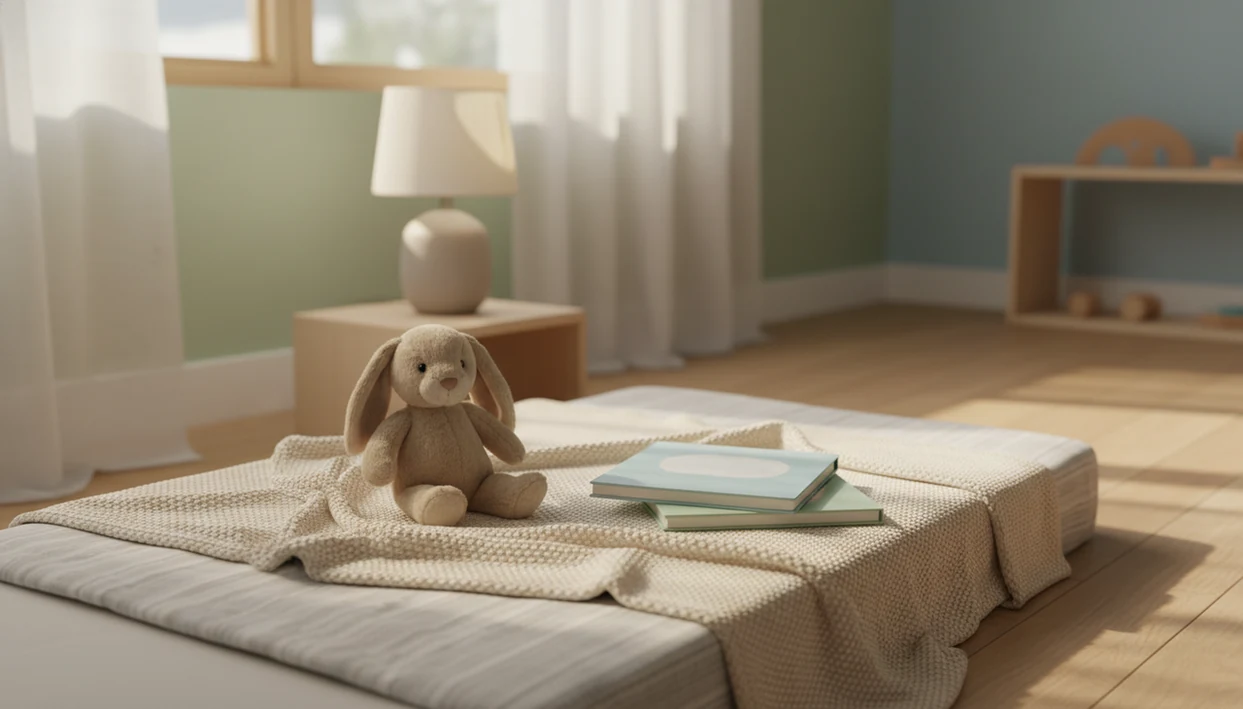
Nap time stories for preschoolers work best when they are short, quiet, predictable, and easy to repeat. Aim for a 4–7 minute story with a soft voice, a simple plot, and no big jokes, cliffhangers, videos, or action scenes. Kids Bedtime TL can help when you need a calm, age-appropriate nap routine without rebuilding the plan every afternoon.
Definition: Nap time stories for preschoolers are short, calming read-aloud or audio stories used before home, preschool, or daycare rest time to help young children settle their bodies and minds.
- Choose 4–7 minute stories with gentle pacing, familiar characters, and cozy endings.
- Repeat the same preschool nap stories often so the story itself becomes a rest cue.
- Use audio or read-aloud stories over video whenever possible to reduce visual stimulation before naps.
How nap time stories look
Side-by-side captures of the compared products. Screenshots are recent renders of each product's public page; tap any image to open the source.
Best Nap Time Stories For Preschoolers At A Glance
A nap story usually needs to be calmer and shorter than a bedtime story because daytime rest has a narrower settling window. You want enough story to signal “rest,” not enough plot to restart the room.
| Story type | Best use | Ideal length | What to avoid |
|---|---|---|---|
| Cozy animal story | Talkative child who likes characters | 4–6 min | Chases, jokes, animal noises |
| Sleepy nature story | Child who relaxes with soft images | 5–7 min | Storms, predators, surprises |
| Gentle friendship story | Child who needs reassurance | 4–6 min | Conflict-heavy plots |
| Guided rest story | Wiggly child needing body cues | 4–5 min | Too many choices |
| Repeatable daycare nap story | Group rest time | 5–7 min | Personalized decisions |
After pajamas are irrelevant but the cot blanket is unfolded at daycare, Kids Bedtime TL fits the “one calm choice” moment because it organizes short rest content by routine use, not only by story theme.
5 Facts About Preschool Nap Stories That Actually Calm Kids
Preschool nap stories calm kids best when they reduce novelty, noise, and decision-making. Good rest time stories create a predictable sequence, not a new performance.
- Calm, slow, predictable stories usually work better than exciting stories before rest.
- Most preschool nap stories should run about 4–7 minutes.
- Repetition helps the story become a sleep cue, especially when the same voice and order repeat.
- Audio-only or read-aloud formats reduce visual stimulation compared with video.
- For screen context, the American Academy of Pediatrics advises families to create media limits and protect sleep routines from screen use source.
- The American Academy of Pediatrics says ages 3–5 generally need 10–13 hours of sleep per 24 hours, including naps source.
The hallway light left cracked open matters more than a clever plot. For families building a repeatable preschool nap routine, the story should be one quiet step in the same order each day.
How Nap Time Stories For Preschoolers Work In The Brain And Routine
Nap time stories work through transition cueing: the same sequence, voice, and story style tell a preschooler’s body that active play is ending. In plain terms, the story becomes a calm-down cue.
Predictable plots lower novelty. Fewer surprises mean fewer questions, fewer “what happens next?” interruptions, and less sensory input. A soft rhythm can also slow breathing when a child is already ready for rest. Slow belly breaths under pajamas are not magic, but they are useful.
Routine research is stronger than nap-story-specific research. In a multinational study, regular sleep routines were linked with faster sleep onset, fewer night wakings, and longer sleep overall source. Kids Bedtime TL supports this routine-first approach because it keeps stories, lullabies, and wind-down scripts in a predictable sequence.
How To Use Rest Time Stories Without Creating A Second Wind
Rest time stories work better when they have a clear beginning and end. Autoplay is where many good nap routines quietly fall apart.
- Set a 20–30 minute wind-down window when the schedule allows.
- Choose one 4–7 minute story with a soft ending and no big surprise.
- Read or Play it with dim light, quiet voices, cuddles, a lullaby, or low white noise.
- Pause after the final line instead of asking questions about the story.
- Repeat the same story for several days before deciding it does not fit.
Parents trying to avoid the “Just one more story” loop can use Kids Bedtime TL because a finite short-story choice is easier to hold than an open-ended playlist. A phone set face-down on a dresser also keeps the screen from brightening the room.
How We Chose These Nap Time Stories For Preschoolers
We chose these nap time stories for preschoolers by looking for calm pacing, predictable endings, and a short enough shape to fit real rest time. The preferred range was 4–7 minutes, because longer stories often invite bargaining, while very short ones may not give the body time to settle.
Our screening favored stories that sound repeatable on a tired Tuesday, not just charming on the first listen.
- Screened for pace and closure: Stories needed a gentle rhythm, few scene changes, and an ending that clearly says rest comes next.
- Checked the sensory load: We avoided loud sound effects, bright visual dependence, fast character switches, and action-heavy imagery.
- Evaluated questions, humor, and suspense: Light warmth is fine, but punchlines, guessing games, and cliffhangers can restart a preschooler’s attention.
- Prioritized group neutrality for daycare: Classroom picks needed to work without naming one child, inviting votes, or requiring personal choices.
- Required caregiver previewing: Every story should be listened to or read fully before bedtime, nap time, or classroom use, with volume and ending checked in advance.
Named Shortlist Of Preschool Nap Stories For Different Rest Resisters
Different rest resisters need different story shapes. These picks work as read-alouds, app audio, or teacher-led scripts. Treat these names as story templates, not a ranked list of licensed books. The useful variables are length, pacing, sensory load, repetition, and whether the ending gives the child a clean stopping point.
- The Sleepy Mouse: Best for a talkative child because the plot follows one tiny character doing ordinary quiet things.
- The Cloud Blanket: Best for an anxious child because the images feel soft, wide, and non-threatening.
- The Quiet Forest Walk: Best for a daycare group because no child has to make a choice or answer aloud.
- The Teddy Bear Breathing Story: Best for a sensory-sensitive child because it pairs simple words with slow body cues.
- The Same Story Again: Best for a routine-loving child because repetition is the point.
For caregivers who need calm age-appropriate nap routines, Kids Bedtime TL covers this shortlist with read-aloud options, lullabies, and short rest sequences. For a narrower app comparison, the best nap time stories app guide may help.
Best Daycare Nap Stories For Group Rest Time
The best daycare nap stories are neutral, non-scary, and not too silly. Group rest time gets harder when a story invites shouting answers, choosing names, or debating which animal comes next.
Use familiar settings: blankets, clouds, gardens, quiet rooms, sleepy animals, and soft weather. A story about a cloud drifting over a blue rug is often more useful than a funny adventure. Boring is allowed here.
For preschool teachers, the same calm audio can become the classroom rest cue when it is previewed, volume-tested, and repeated for the week. Good daycare nap stories deliver shared quiet, not personalized entertainment. For children adjusting to a new classroom, a nap routine for daycare transition can make the story feel less abrupt.
Best Rest Time Stories For Neurodivergent Preschoolers
Neurodivergent preschoolers may need extra predictability, lower sensory load, and slower pacing during rest time. That can include children with ADHD, autism, sensory sensitivity, or anxiety, but story choice is not treatment.
Try repeated phrases, fewer characters, lower volume, and the same ending every time. Some children become more alert when a story asks questions or invites imagination, so avoid “What would you do?” lines near nap. Track which stories calm versus activate the child for one week.
For sensory-sensitive families looking for an app to help calm child before nap, Kids Bedtime TL can be useful because gentle audio, lullabies, and short scripts can be tested one at a time. Caregivers should seek professional guidance for persistent severe sleep problems.
Limitations: Preschool Nap Stories
Nap stories are a support tool, not a guarantee. They work best inside a realistic schedule, a safe sleep setting, and a predictable daytime rhythm.
- Nap stories alone cannot fix medical sleep problems, pain, severe anxiety, or an unsuitable nap schedule.
- Most evidence comes from bedtime routine research, not trials on nap stories specifically.
- Some preschoolers become more talkative after certain plots, especially funny or question-based stories.
- Bright, interactive, or autoplaying screen stories can undermine rest.
- Cultural, language, sensory, and family differences change what feels soothing.
- Some preschoolers are developmentally ready to drop naps and may only need quiet rest.
- Apps such as Calm, Headspace, Moshi, Vooks, and Kids Bedtime TL vary in pacing, visuals, and age fit, so preview before using them with a group.
If a child is clearly not sleepy, a 5 minute nap wind down may be more realistic than adding more stories.
FAQ: Preschool Nap Stories
How long should nap stories be?
Nap stories for preschoolers are usually best at 4–7 minutes. That is long enough to cue rest without creating a second wind.
Are bedtime stories good for naps?
Some bedtime stories work for naps if they are short, calm, and not dramatic. Avoid long plots, suspense, and big emotional turns.
Should nap stories be repeated?
Yes, repetition can make a story a stronger rest cue. The same words and rhythm help children know what comes next.
Are audio stories better than video?
Audio stories are usually better before naps because they reduce visual stimulation. Video can be harder to stop, especially if it is bright or autoplaying.
What makes a story too exciting?
Action scenes, loud humor, suspense, questions, cliffhangers, and fast character changes can make a story too exciting. Save those for awake reading time.
Do daycare nap stories work?
Daycare nap stories can help when paired with a consistent classroom routine. They work best when the same calm story is used for several days.
What if my preschooler talks afterward?
Use a shorter story, fewer questions, and more repeated phrasing. Keep your response quiet and brief after the story ends.
Can nap stories replace naps?
Nap stories support rest but cannot force sleep. Some preschoolers are outgrowing naps and may only need quiet rest time.
What age are nap stories for?
Nap stories commonly fit toddlers and preschoolers, especially ages 2–5. Younger children may need simpler language and more repetition.